There's a version of "app launch day" that lives rent-free in every indie builder's imagination. You've seen it on Twitter: the viral tweet, the Product Hunt badge, the hockey stick chart, the "we hit 10,000 users in 24 hours" celebration post.
That's a real thing that happens to some people. This post is not about that.
This post is about what launching actually looks like for a tiny team building a niche product. Because we think that story is worth telling too.
The Quiet Launch
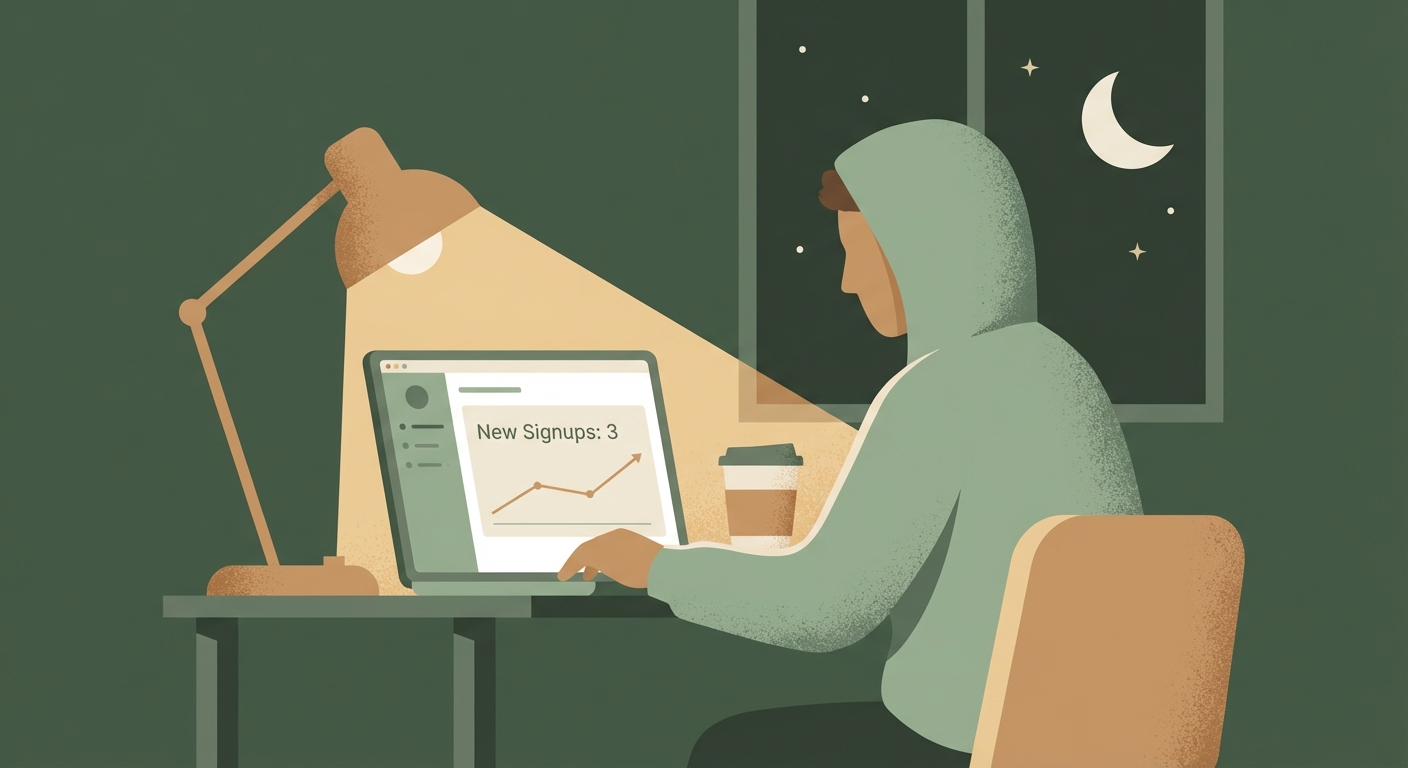
We launched GravityPing on a Tuesday. There was no countdown. No press embargo. No influencer outreach campaign.
We pushed the code to production. We checked that the magic link login worked. We stared at the analytics dashboard for a while. We fixed a typo in the privacy policy.
Then we went to bed.
The next morning, we had a handful of signups. Not hundreds. Not thousands. A handful. Real people who found the app, tried it, and started tracking their fermentation.
One person sent us an email that said, roughly: "Cool app. I've been looking for something exactly like this."
That email is pinned in our team chat. It might be the most important email we've ever received.
Why Quiet Launches Are Underrated
Here's what nobody tells you about quiet launches: they're actually better for learning.

When you launch to thousands of people at once, you get a flood of feedback, most of it surface-level. "Nice UI." "Needs dark mode." "Can you add X feature?" It's overwhelming and not very actionable.
When you launch to a small group, you get something much more valuable: you get to watch real people use your product in real time. You see where they hesitate. You see what they skip. You see the one thing they do that you didn't expect.
Our first few GravityPing users taught us more in a week than any amount of user research could have.
The Things Nobody Warns You About
Some things we learned during our launch that nobody mentioned:
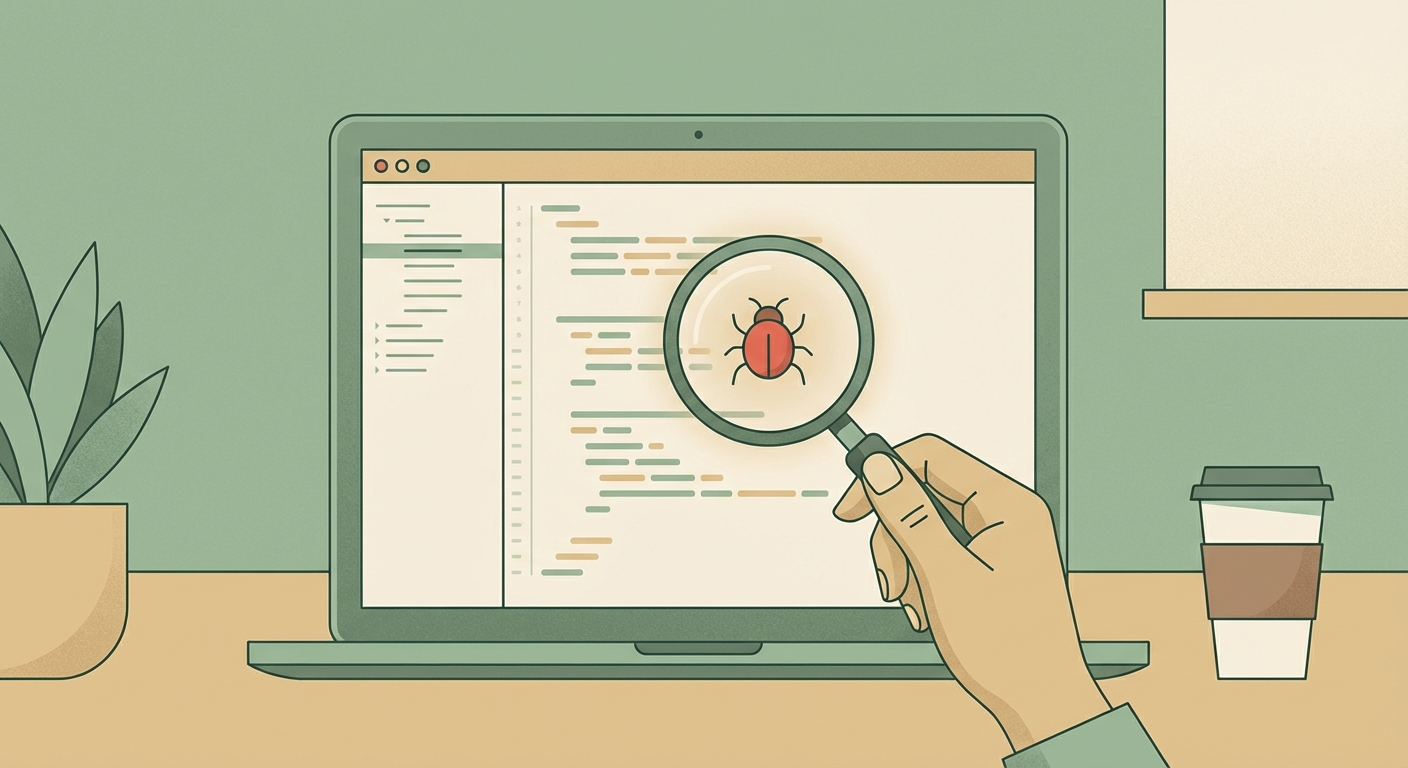
You will find bugs in production. Not because you didn't test. Because production is different. Real users do things in real sequences that your test cases didn't cover. We found three bugs in the first 48 hours. All minor. All embarrassing.
Analytics are addictive. You will check your dashboard more than you check your phone. This is not productive. Set a specific time to look at numbers and stick to it.
The silence is louder than the noise. When someone signs up and doesn't come back, you don't get feedback. You just get silence. And silence is hard to learn from. The users who say nothing are teaching you something, you just have to figure out what.
Support emails feel different. When you're a two-person team and someone emails you with a problem, it feels personal. That's actually a good thing. It means you care. Don't lose that.
What We'd Do the Same
If we launched GravityPing again, we'd do most of it the same way:
- Launch before you're ready. Not recklessly. But "ready" is a moving target, and you'll never feel fully ready. Ship when the core works.
- Start small. A handful of real users is better than a thousand tire-kickers from a viral post.
- Fix things fast. When your first users find problems, fix them the same day if you can. They'll notice, and they'll trust you more.
- Don't compare. Your launch is your launch. It's not the launch you saw on Twitter. That's fine.
What We'd Do Differently
One thing: we'd have written this blog post before launch, not after. Having content ready to publish alongside your product gives you something to share that's more interesting than "we launched, here's a link."
A launch story, even a quiet one, is more compelling than a feature list.
The Point

If you're building something and you're nervous about launching because it doesn't feel "big enough," here's what we want you to know:
The size of your launch doesn't determine the size of your impact. Some of the best products in the world started with a handful of users who genuinely needed them.
GravityPing started with a few homebrewers who were tired of forgetting to check their gravity readings. That's it. That was the whole launch.
And it was enough.
---
GravityPing is a fermentation tracking app for homebrewers. Free to use, with Pro features for SMS/WhatsApp reminders. Built by SimbaApps.